
A name for the novels
Mary Anne Evans is the biographical subject behind George Eliot. Keeping both names visible helps readers connect literary editions, archive records and accounts of her life.
George Eliot FellowshipGeorge Eliot FellowshipFAN REACTIONS
Loading reactions…
Reactions on HowSociable. One saved choice per browser; change it anytime.
Life & work
Biography and career records reviewed 23 Oct 2026.
George Eliot was the pen name of Mary Anne Evans. Her novels follow individual lives within families, communities and systems of belief, making ordinary decisions part of a wider moral and social world.
George Eliot FellowshipGeorge Eliot FellowshipThe fiction moved from the stories of Scenes of Clerical Life to novels including Adam Bede, The Mill on the Floss and Middlemarch. The pen name belongs to a literary identity, not a separate person.
George Eliot FellowshipPersonal profile
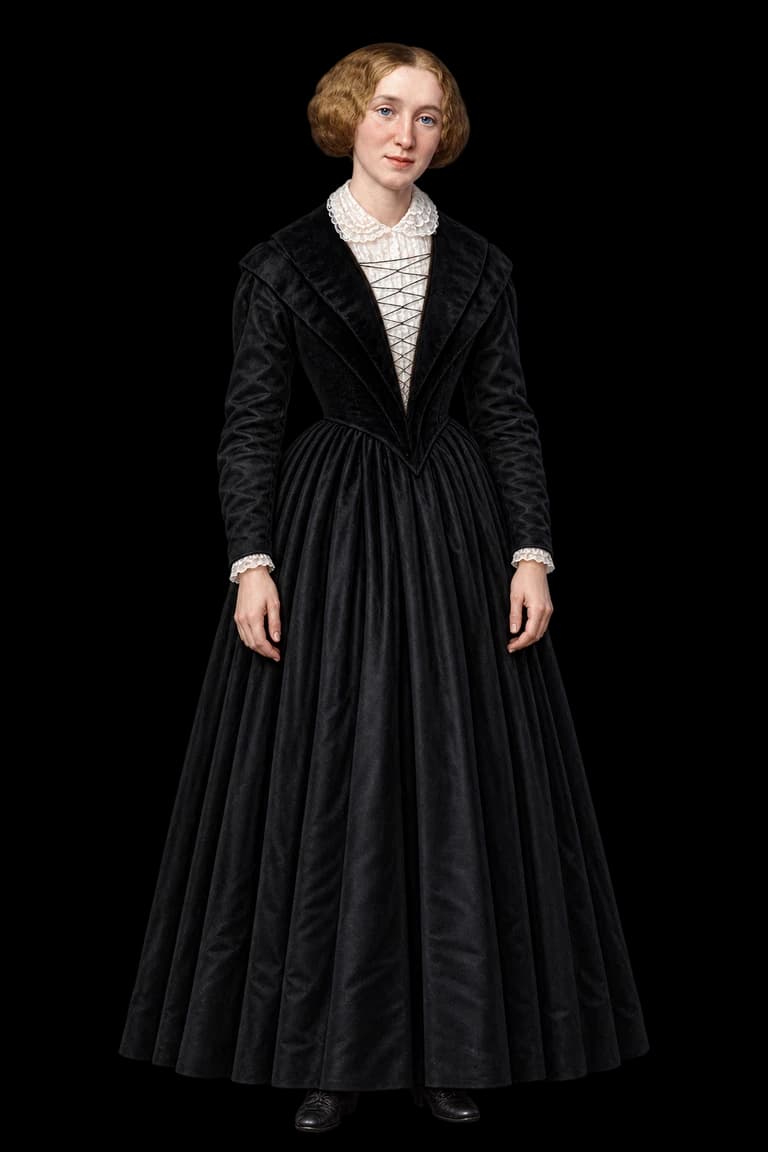
Mary Anne Evans is the biographical subject behind George Eliot. Keeping both names visible helps readers connect literary editions, archive records and accounts of her life.
George Eliot FellowshipGeorge Eliot FellowshipThe Harry Ransom Center preserves corrected proofs and manuscripts associated with Eliot’s fiction. Its collection records place Middlemarch in 1871–1872, connecting the novel’s publication with surviving evidence of the writing process.
Harry Ransom Center, University of Texas at AustinDorothea Brooke’s hope for an intellectually meaningful life and Dr Lydgate’s medical ambitions give Middlemarch two different routes into the question of vocation. Marriage does not sit outside those ambitions: Casaubon and Rosamond affect what Dorothea and Lydgate believe they can do. Following these relationships together reveals a community of overlapping pressures, rather than a sequence of separate love stories.
Penguin ClassicsThe novel rewards attention to ordinary transactions: a debt, an introduction or a decision about a household can alter possibilities for somebody elsewhere in the town. Ask what each character intends, what resources are actually available and how another person interprets the act. This is one way to see why Eliot’s sympathy is not the same as agreement. Understanding the circumstances behind a mistake can deepen a judgment without erasing responsibility.
Penguin ClassicsPenguin Random HouseMiddlemarch first appeared in separate books before it became the single volume familiar to many readers. Pausing at those internal divisions provides a useful reading rhythm and makes it easier to track parallel stories. A scholarly introduction can illuminate the historical setting, but may reveal later developments; readers who prefer to avoid spoilers can save it until the end. Eliot’s pen name identifies the author Mary Ann Evans, not a male narrator within the fiction.
Penguin Random HouseGeorge Eliot FellowshipIn pictures
Photographs with their original credits. Historical images do not imply a current appearance.

The published record
Dated selections from the published record.
The collected stories appeared under the George Eliot name.
George Eliot FellowshipHer first full-length novel was published.
Harry Ransom Center, University of Texas at AustinA further major novel followed.
Harry Ransom Center, University of Texas at AustinThe novel appeared in its original publication sequence.
Harry Ransom Center, University of Texas at AustinQuick answers
Answers grounded in the sources below.
Yes. The writer was Mary Anne Evans.
George Eliot FellowshipGeorge Eliot FellowshipIts original publication ran from 1871 to 1872.
Harry Ransom Center, University of Texas at AustinThe source notes
An independent HowSociable profile. Not affiliated with or endorsed by George Eliot.
Publication dates refer to the work or edition identified by the cited source. Translations, later editions and adaptations may have different titles and dates.
This is an editorial selection, not a ranking of literary quality. Biographical facts, publication history and interpretation are distinguished through citations to publishers, archives and literary institutions.
Checked
Checked
Checked
Checked
Checked
Checked