
Cairo and the novel
The trilogy follows a family across changing social conditions. Its original Arabic publication belongs to 1956–1957; later translations introduced the books to new audiences at different dates.
Nobel PrizeFAN REACTIONS
Loading reactions…
Reactions on HowSociable. One saved choice per browser; change it anytime.
Life & work
Biography and career records reviewed 23 Oct 2026.
Mahfouz’s Arabic fiction draws deeply on Cairo and the lives of its inhabitants. The Cairo Trilogy became a central achievement in a career that developed alongside decades of civil-service work.
State Information Service, EgyptNobel PrizeThe Nobel Prize in Literature brought international recognition in 1988. Earlier works, including the trilogy and Children of Gebelawi, had already established the range of his narrative interests.
Nobel PrizePersonal profile
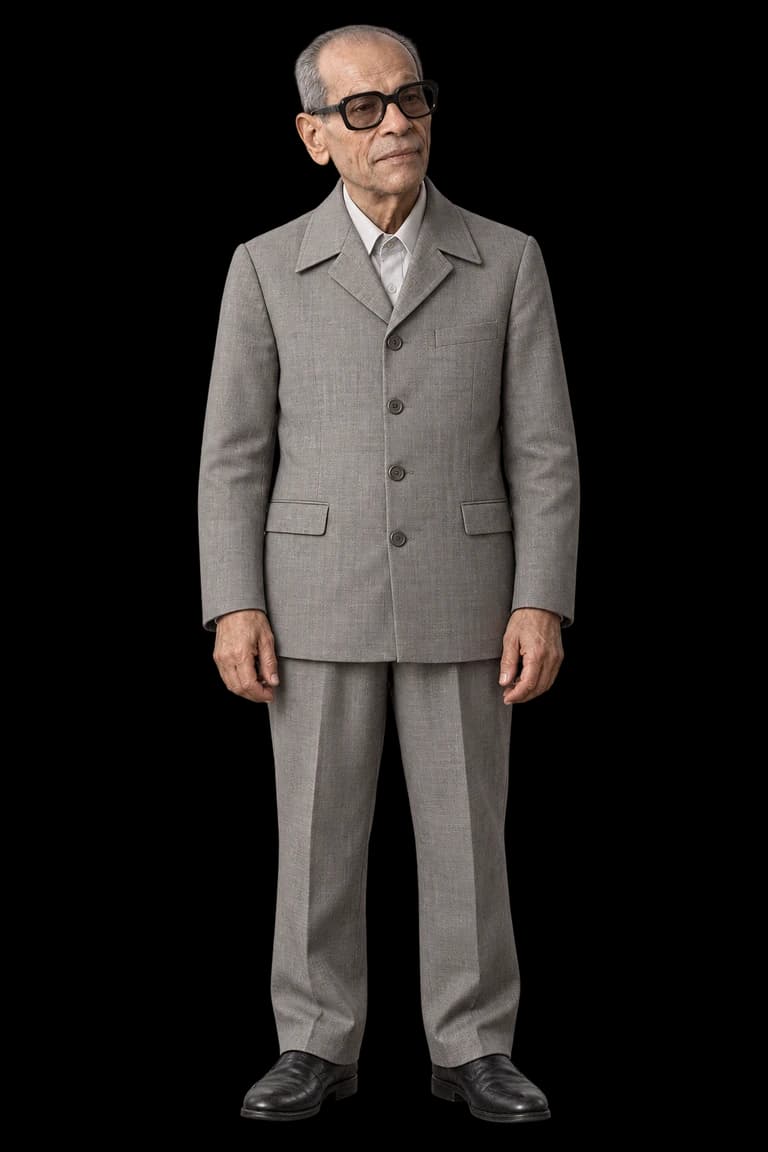
The trilogy follows a family across changing social conditions. Its original Arabic publication belongs to 1956–1957; later translations introduced the books to new audiences at different dates.
Nobel PrizeMahfouz graduated from Cairo University in 1934 and spent decades in government service. The city’s districts supplied settings for his fiction, connecting a working urban life with the world of his novels.
State Information Service, EgyptPalace Walk introduces the al-Jawad family through the contrast between Ahmad Abd al-Jawad’s authority at home and the pleasures he seeks outside it. His wife and children do not enjoy the same freedom of movement. The household therefore becomes a place to examine who may speak, leave, desire or disobey. The changing political world of Cairo enters through these unequal daily experiences rather than remaining a detached historical backdrop.
American University in Cairo PressPenguinRead the Cairo Trilogy in sequence: Palace Walk, Palace of Desire and Sugar Street. Following the generations allows a belief or family expectation established in one volume to be reconsidered in another. A useful reading question is whether a change in public life also changes authority within the home. That approach keeps the family’s differences visible instead of treating it as a simple symbol for an entire country.
PenguinThe original trilogy’s 1956–1957 publication dates are separate from the dates of its English translations and later reissues. AUC Press credits Olive E. Kenny and William M. Hutchins for the Palace Walk edition linked here. Record those credits when comparing wording, and do not infer the translator of another volume from this one. The familiar English titles identify the books, but their Cairo place names also belong to a particular urban geography.
American University in Cairo PressNobel PrizeIn pictures
Photographs with their original credits. Historical images do not imply a current appearance.

The published record
Dated selections from the published record.
Quick answers
Answers grounded in the sources below.
The original volumes were published in 1956–1957.
Nobel PrizeThe source notes
An independent HowSociable profile. Not affiliated with or endorsed by Naguib Mahfouz.
Publication dates refer to the work or edition identified by the cited source. Translations, later editions and adaptations may have different titles and dates.
This is an editorial selection, not a ranking of literary quality. Biographical facts, publication history and interpretation are distinguished through citations to publishers, archives and literary institutions.
Checked
Checked
Checked
Checked