
The short form
Borges’s place in fiction rests substantially on short narratives. The collections give readers a way to follow that work without assuming a major novel lies at its centre.
Instituto CervantesFAN REACTIONS
Loading reactions…
Reactions on HowSociable. One saved choice per browser; change it anytime.
Life & work
Biography and career records reviewed 23 Oct 2026.
Borges worked through poems, essays and short fiction rather than the long novel. Collections including Ficciones and The Aleph made concentrated narratives a central vehicle for his literary imagination.
Instituto CervantesInstituto CervantesHis publication history begins earlier than those collections. Fervor de Buenos Aires and A Universal History of Infamy show a career developing across poetry and prose before the books most associated with his name.
Instituto CervantesPersonal profile
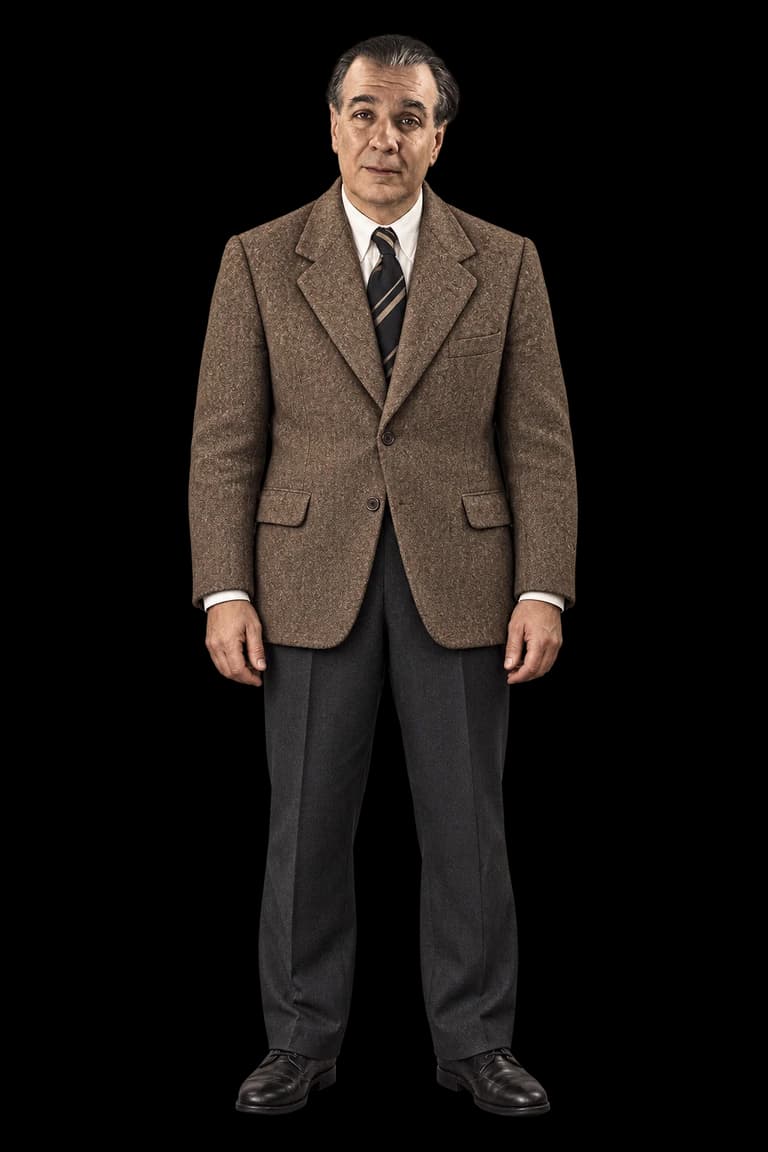
Borges’s place in fiction rests substantially on short narratives. The collections give readers a way to follow that work without assuming a major novel lies at its centre.
Instituto CervantesThe Instituto Cervantes chronology provides original-language dates. Translations and later expanded editions can have different publication years, so the milestones identify the original collections.
Instituto CervantesFicciones is a useful entrance to Borges because its brief narratives can be read separately and then reconsidered together. An imagined encyclopedia, a library or a review of a nonexistent book may become the mechanism of a story. The scholarly-looking apparatus is not merely decoration: it can make an impossible idea seem documented. Ask when you began trusting the narrator and what kind of evidence produced that trust.
Penguin Random House / Everyman’s LibraryThe collection includes a writer’s attempt to recreate Don Quixote and a man whose inability to forget becomes disabling. These are not just puzzles with a final answer. They make familiar activities—reading, remembering, attributing a text—strange enough to examine. Read one story twice before moving on: the ending may alter the status of a detail that initially looked like background information.
Penguin Random House / Everyman’s LibraryBorges’s work circulates in collections assembled for different languages and publishers. A title such as Ficciones identifies a particular collection; another selection may overlap with it without being the same book. Use the contents page and translator credits to avoid buying an unintended duplicate. When quoting a fictional review or invented scholarly reference, identify the story: otherwise a device designed to challenge authority can be mistaken for a real bibliographic claim.
Penguin Random House / Everyman’s LibraryInstituto CervantesIn pictures
Photographs with their original credits. Historical images do not imply a current appearance.

The published record
Dated selections from the published record.
Quick answers
Answers grounded in the sources below.
The source notes
An independent HowSociable profile. Not affiliated with or endorsed by Jorge Luis Borges.
Publication dates refer to the work or edition identified by the cited source. Translations, later editions and adaptations may have different titles and dates.
This is an editorial selection, not a ranking of literary quality. Biographical facts, publication history and interpretation are distinguished through citations to publishers, archives and literary institutions.
Checked
Checked
Checked