
Time inside the novel
Mrs Dalloway’s fictional day is not its publication date. The distinction is useful when following Woolf’s career through manuscripts, editions and the settings she gives her characters.
Smith College LibrariesFAN REACTIONS
Loading reactions…
Reactions on HowSociable. One saved choice per browser; change it anytime.
Life & work
Biography and career records reviewed 23 Oct 2026.
Woolf’s novels examine how thought and memory shape a life. Mrs Dalloway follows a single day, while To the Lighthouse moves across a family’s life before and after the First World War.
Smith College LibrariesSmith College LibrariesMonk’s House offered a place to live and work outside London. Library collections preserve editions and manuscripts that help distinguish the time of a novel’s action from the years in which it was written and published.
National TrustSmith College LibrariesPersonal profile
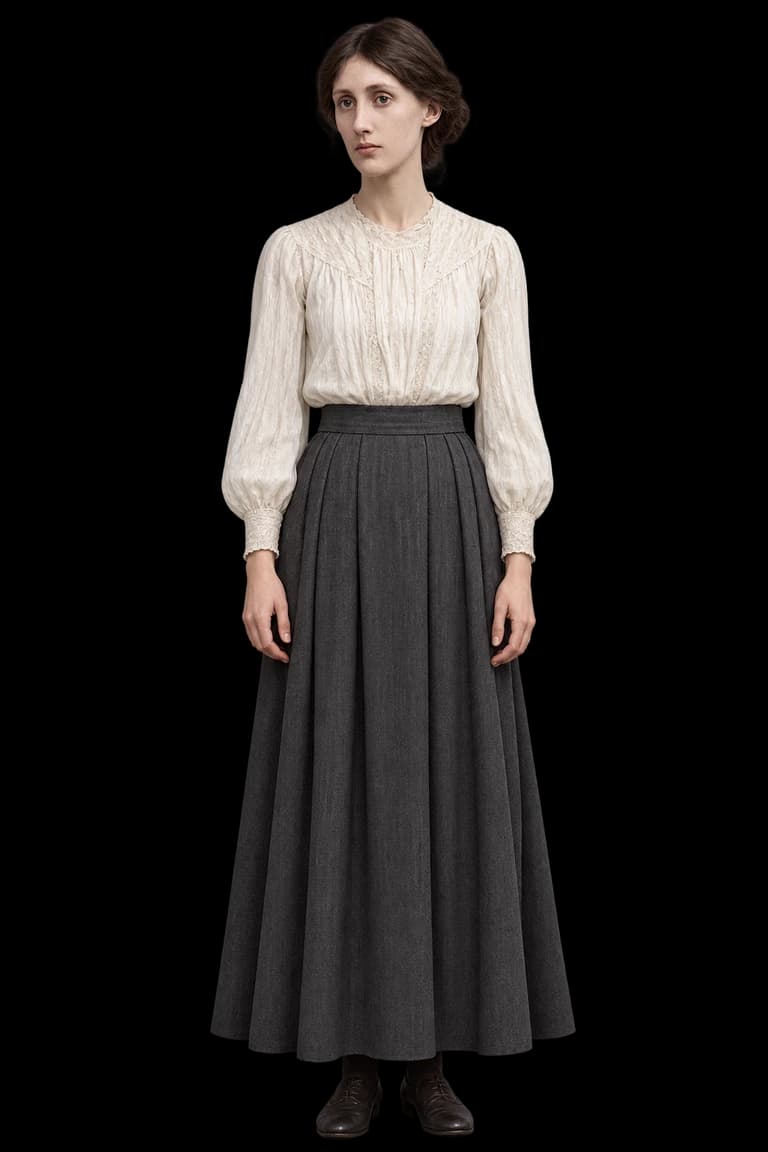
Mrs Dalloway’s fictional day is not its publication date. The distinction is useful when following Woolf’s career through manuscripts, editions and the settings she gives her characters.
Smith College LibrariesThe National Trust’s account of Monk’s House connects the rooms and garden with the Woolfs’ life there. It provides a material counterpart to the books preserved in library collections.
National TrustClarissa’s preparations for a party give Mrs Dalloway an outward framework, while memories repeatedly alter the present. The narrative also follows the war veteran Septimus Warren Smith and his wife Rezia. The movement between lives asks the reader to notice connections that the characters themselves may never recognize. The novel’s scale comes from these changes in attention, not from a large number of days covered by the plot.
The Open UniversityWoolf often relays a character’s thought through third-person narration without introducing it as a spoken statement. To find your bearings, ask whose perception is shaping the sentence and whether a memory has displaced the current scene. Do not flatten those passages into factual reports from an all-knowing narrator. An ordinary sound or sight can link people in the same city while leaving their private experiences profoundly different.
The Open UniversityThe Open University’s introduction is useful for understanding the novel’s shifts in perspective, though it discusses the ending. Woolf’s relationship with the Hogarth Press also places her writing within the practical work of publication. A museum room, manuscript or first edition supplies a different kind of evidence from a fictional scene. Keep those distinctions when using her novels to discuss biography: a character’s thoughts are not a transcript of the author’s private life.
The Open UniversitySmith College LibrariesIn pictures
Photographs with their original credits. Historical images do not imply a current appearance.

The published record
Dated selections from the published record.
The novel was published, distinct from its fictional day in 1923.
Smith College LibrariesQuick answers
Answers grounded in the sources below.
1925; the novel’s fictional day is set in 1923.
Smith College LibrariesThe source notes
An independent HowSociable profile. Not affiliated with or endorsed by Virginia Woolf.
Publication dates refer to the work or edition identified by the cited source. Translations, later editions and adaptations may have different titles and dates.
This is an editorial selection, not a ranking of literary quality. Biographical facts, publication history and interpretation are distinguished through citations to publishers, archives and literary institutions.
Checked
Checked
Checked
Checked
Checked