
A poem in three parts
Inferno, Purgatorio and Paradiso form a single journey, but each has a distinct setting and structure. The Casa di Dante resources explain the poem alongside the civic life that shaped its author.
Museo Casa di DanteFAN REACTIONS
Loading reactions…
Reactions on HowSociable. One saved choice per browser; change it anytime.
Life & work
Biography and career records reviewed 23 Oct 2026.
Dante’s poetry joins personal experience, political conflict and a journey through the afterlife. Born in Florence, he served in the city’s government before exile made separation from home a lasting feature of his life and writing.
Scuola Normale SuperioreThe Divine Comedy moves through Inferno, Purgatorio and Paradiso. Its vernacular poetry places questions of moral choice beside encounters with historical figures and people from Dante’s own world.
Museo Casa di DantePersonal profile
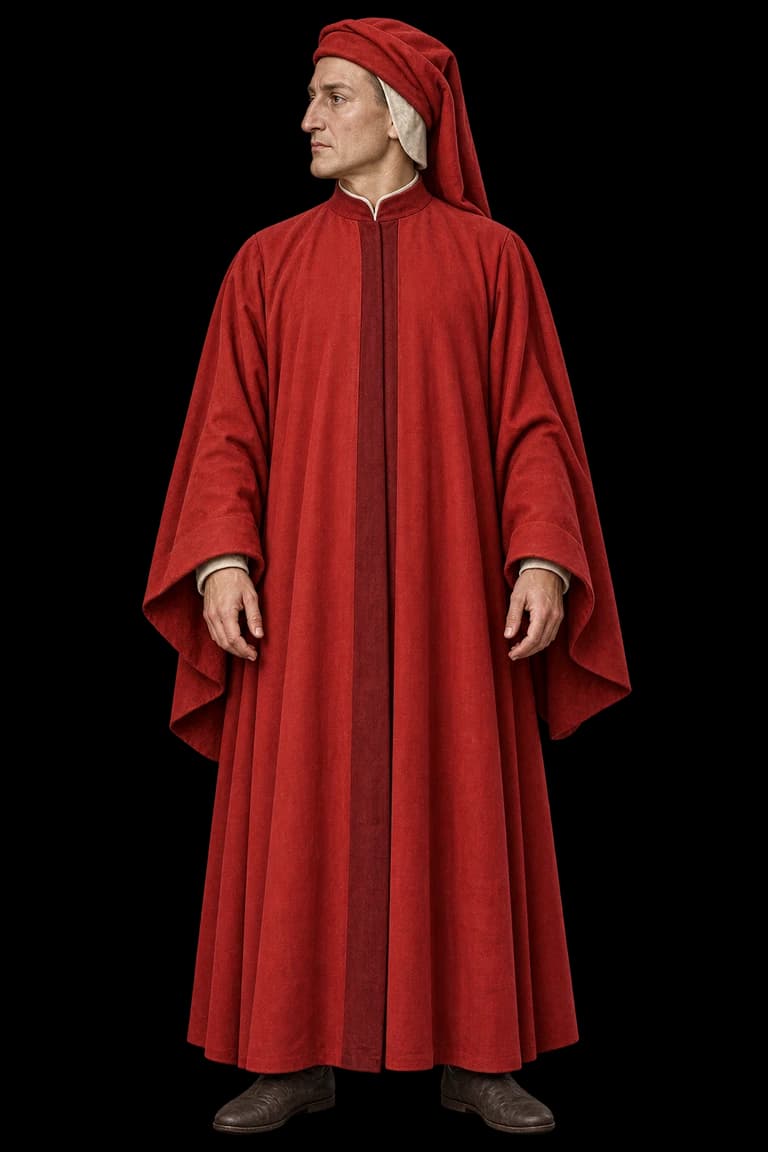
Inferno, Purgatorio and Paradiso form a single journey, but each has a distinct setting and structure. The Casa di Dante resources explain the poem alongside the civic life that shaped its author.
Museo Casa di DanteDante’s political career and exile offer context for the Comedy. They do not establish a precise starting date for its composition; that chronology remains a subject for scholarship.
Scuola Normale SuperioreMuseo Casa di DanteThe Comedy is organized as one hundred cantos: thirty-four in Inferno and thirty-three in each of the other two canticles. Its interlocking three-line verse units make the architecture part of the experience. Inferno is therefore the beginning of a designed journey, not a self-contained catalogue of punishments. Continuing into Purgatorio and Paradiso changes the question from where a soul belongs to how understanding and desire can be transformed.
Cambridge University PressA practical first pass is to follow the traveller’s immediate situation: where he is, who speaks, what he asks and how his response changes. Keep a second set of notes for political, classical and biblical references. That separation lets the poem remain a sequence of encounters while an annotation supplies the historical background. The speaker called Dante and the author arranging the entire journey occupy different positions in the narrative; the traveller does not begin with the author’s completed design in view.
Cambridge University PressBefore choosing an English edition, compare a single canto in two translations. Look at how each handles the three-line movement, sentence continuity and explanatory notes. A translation that preserves a rhyme pattern may sound different from one that prioritizes the syntax; neither choice makes the translator invisible. Keep the translator’s name with any quotation, and use canticle, canto and line references so that readers can locate the passage across editions.
Cambridge University PressIn pictures
Photographs with their original credits. Historical images do not imply a current appearance.

The published record
Dated selections from the published record.
Dante served as one of Florence’s priors between June and August.
Scuola Normale SuperioreQuick answers
Answers grounded in the sources below.
The 1302 sentence forced him from Florence; he completed his later life away from the city.
Scuola Normale SuperioreThe source notes
An independent HowSociable profile. Not affiliated with or endorsed by Dante Alighieri.
Publication dates refer to the work or edition identified by the cited source. Translations, later editions and adaptations may have different titles and dates.
This is an editorial selection, not a ranking of literary quality. Biographical facts, publication history and interpretation are distinguished through citations to publishers, archives and literary institutions.
Checked
Checked
Checked